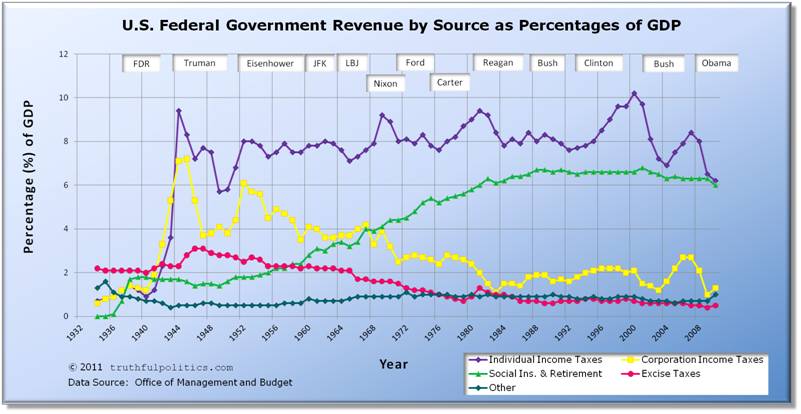
LJ;853125 wrote:I hate to break it to you, but it is being widely reported that S&P has said that they were looking for tax increases to go along with the spending cuts. We gave them half.
Don't kid yourself. If enough real cuts had been made, we wouldn't be having this conversation. The only reason S&P probably said that is because they were splitting the budget "battle" in half...as the parties mostly did.
Their bottom line is the fiscal integrity of the US and the ratio of debt to GDP. If that goes down and there's a solid plan in place to keep it from getting no higher than about 16 percent or so (where it has traditionally been) they wouldn't care about increasing taxes.
I also am not opposed to some tax increases, but ONLY if they are earmarked to pay down the deficit and cannot be used, by law, for further spending. Why would anyone with common sense trust Congress to use extra funding for that purpose based only on their word?
Put a balanced budget amendment into law and start cutting back spending at least 10 percent across the board (real cuts, not just lowering projected increases); and focus on those areas of the federal government that are Constitutionally mandated first, like national defense. I'd also include health and safety in those (excluding the EPA, which can be done at the state level).
I'm guessing the federal government could easily absorb 10 percent cuts in personnel by attrition alone. Just don't fill slots of retirees and don't create new positions.